Some nursery rhymes have traceable authors or historical settings. Many do not. The popular habit of decoding every sheep, ring and fallen character as a concealed political message usually starts with a modern interpretation and works backwards, rather than starting with the earliest surviving text.
The shortest answer
Three questions quickly improve any nursery-rhyme origin claim:
- How early is the rhyme itself documented?
- Did the supposedly meaningful words exist in that early version?
- When did people first connect the rhyme to the claimed event?
“Ring Around the Rosie” is not a proven plague rhyme
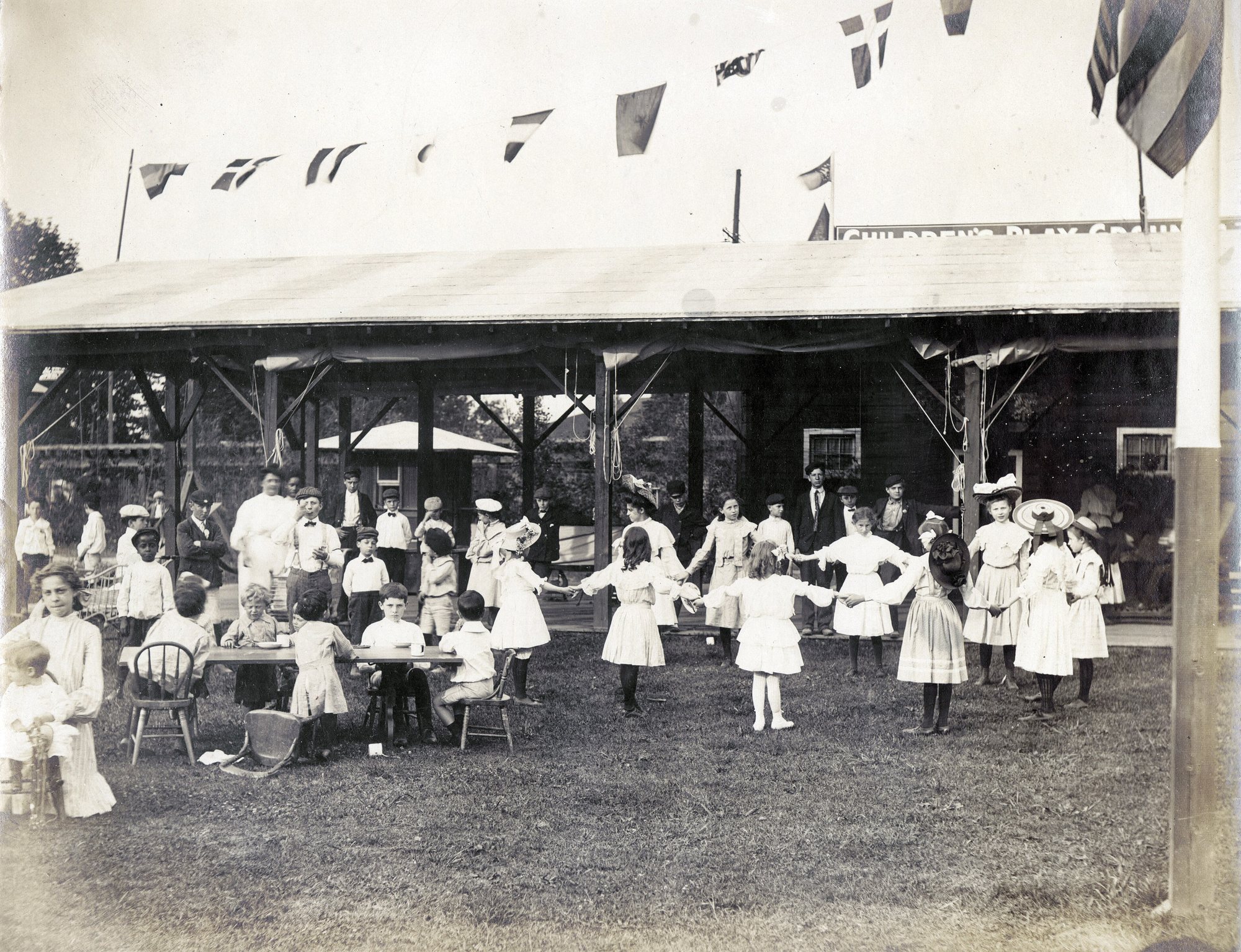
The Library of Congress traces complete English versions of the ring game to the 1880s, while related versions circulated elsewhere in Europe. The familiar plague explanation is much younger: folklorist Philip Hiscock found no record of it before 1949. Earlier collectors who knew both the rhyme and plague history did not make the connection. Library of Congress Folklife analysis
The variations weaken the diagnosis further. Some versions have different flowers, different actions and no falling down. A theory that depends on one modern wording cannot readily explain a family of older, divergent singing games.
That does not prove nobody ever sang it while thinking about disease. It means the claim that the rhyme originated as a coded description of bubonic plague lacks historical support. The more defensible description is a children’s ring game that later acquired a compelling adult explanation.
“Mary Had a Little Lamb” has an identifiable published author
This case is less mysterious. Sarah Josepha Hale published “Mary’s Lamb” in her 1830 collection Poems for Our Children. The Library of Congress holds an 1834 edition of Hale’s School Song Book that prints the verse beginning “Mary had a little lamb.” Library of Congress catalogue record
A later local tradition connected the poem to Mary Sawyer of Sterling, Massachusetts, and to a lamb she brought to school. That story may have influenced how the poem was remembered, but it should not erase Hale’s documented authorship. The distinction matters: a possible inspiration is not the same as the surviving text’s author.
The black-sheep tax story is possible, not established
“Baa, Baa, Black Sheep” is documented in eighteenth-century print. Modern explanations often map its three bags of wool onto medieval taxation: one for the king, one for the church or master and one for the producer. Other versions claim a connection to slavery.
The problem is not that wool taxes or slavery were unreal. It is that a real historical injustice does not, by itself, establish what an anonymous verse meant. The words do not name a tax, a date or a political dispute, and the proposed readings are not supported by contemporary evidence tying the rhyme to those events.
The honest label is therefore “later interpretation,” not “hidden meaning revealed.” It can still open a useful discussion about wool, colour symbolism and who controls folk tradition—as long as the discussion does not masquerade as provenance.
Why the myths survive
A secret-history explanation turns a familiar childhood fragment into a puzzle with a satisfying solution. It is easy to retell, and it gives random-seeming images a single purpose. The same qualities that make the story memorable can hide weak chronology.
Nursery rhymes also invite reinterpretation because they are short and detached from their original settings. Adults hear violence, hunger or authority in lines that children may use primarily for rhythm and play. A later political reading can be interesting without being the reason the rhyme began.
What nursery rhymes reliably offer children
The uncertain origin stories do not reduce the value of the rhymes. Their repetition, rhythm and predictable sound patterns make them useful material for shared reading, turn-taking and noticing how language works. Singing and acting them out also turns the text into a social game.
Adults can add history without presenting folklore as settled fact. Say “one theory is” when the evidence is indirect, compare two versions and ask what changed, or look for the earliest copy together. That approach gives a child both the pleasure of the rhyme and a first lesson in how claims about the past are tested.
