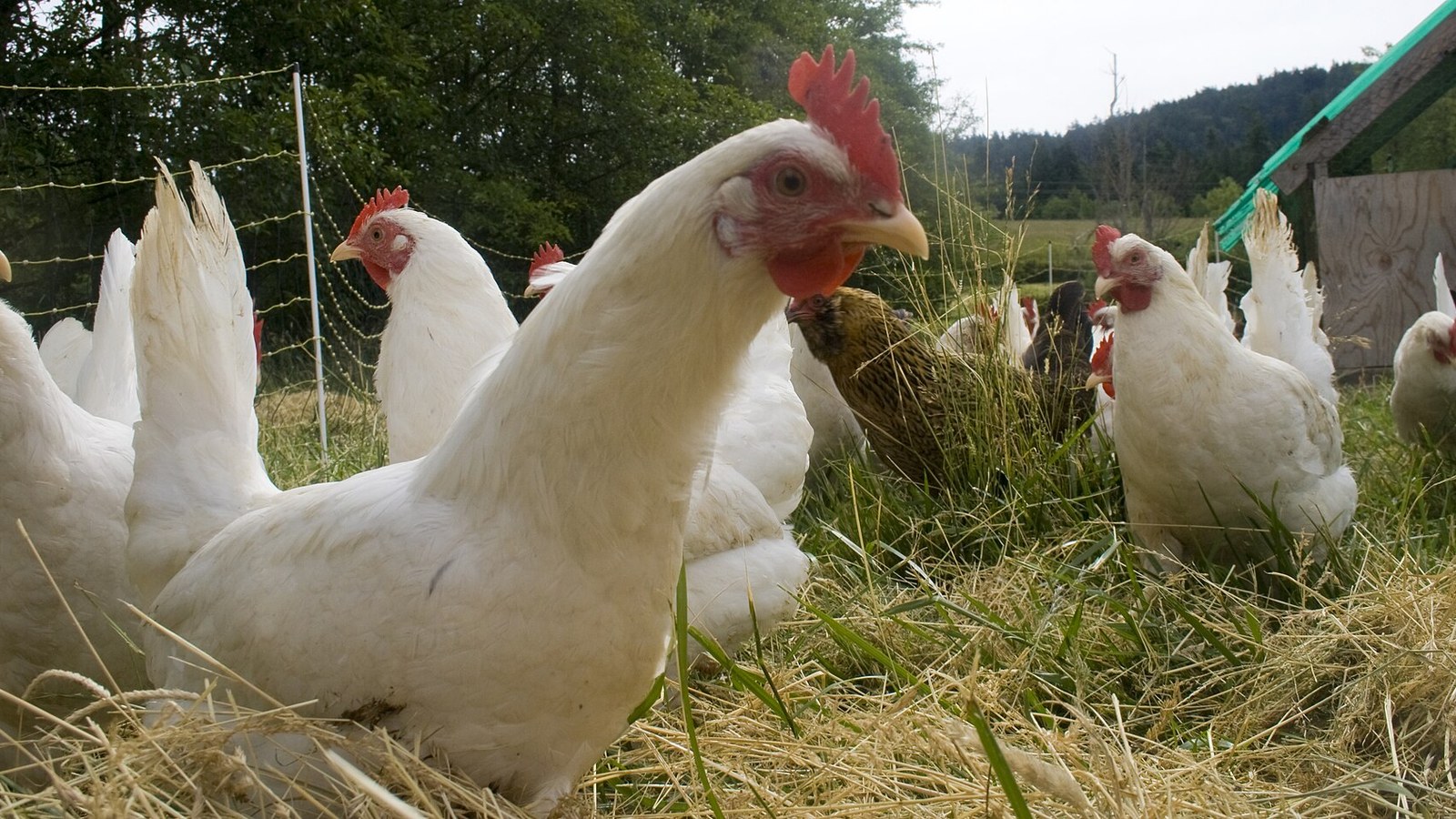
Yes, organic chickens can be vaccinated. Organic standards regulate how birds are raised and which treatments may be used, but they do not require farmers to leave a flock unprotected. In both the United States and European Union, vaccination can fit within organic production.
Organic does not mean medicine-free
Organic livestock rules begin with prevention: suitable breeds, nutrition, housing, hygiene, outdoor access where required and management that reduces disease pressure. Vaccines add targeted protection; they do not replace those conditions.
The US Department of Agriculture says organic producers must use preventive practices and may use approved vaccines. Its poultry guide specifically notes vaccination against prevalent disease and names Marek’s disease, Newcastle disease and infectious bronchitis among common US examples. USDA organic poultry production guide USDA organic standards overview
European rules reach the same practical answer
EU Regulation 2018/848 permits immunological veterinary medicines. Vaccinations are excluded from the treatment-course count that can otherwise affect whether an animal or its products retain organic status. The same rules require sick or injured animals to be treated immediately when necessary. EU Regulation 2018/848
The details differ between certification systems, countries and diseases. “Organic” is therefore not a complete vaccination record. A carton or farm label cannot tell you which vaccine a flock received, at what age or against which local threat.
Which vaccines a flock needs is a local decision
A sensible programme considers the birds’ purpose and age, diseases circulating locally, contact with wild birds or other flocks, hatchery history and legal control measures. Layers kept for several years face a different exposure period from broilers raised for a shorter time.
University of Minnesota Extension recommends asking hatcheries for Marek’s vaccination and describes Newcastle and infectious-bronchitis vaccination as particularly relevant where birds are exposed to other flocks. It also advises getting veterinary or extension help with a programme. University of Minnesota Extension poultry guidance
That is context, not a universal schedule. Vaccine timing, storage, route and prior doses matter. Giving the wrong product or handling it badly may offer little protection and can complicate diagnosis.
Five useful questions for a hatchery or farm
- Which vaccines did these birds receive, on what dates and by which route?
- Were the chicks vaccinated at the hatchery, and is there a written record?
- Which diseases are considered important in this region and production system?
- What biosecurity measures support the vaccination programme?
- Which organic certifier and standard apply to this flock?
Treatment cannot be withheld to preserve the label
US organic rules do not allow a producer to withhold medical treatment from a sick animal. If a prohibited substance is necessary, the bird must be treated even though the animal or its products may no longer be marketed as organic. Welfare takes priority over the label. USDA organic standards overview
For backyard keepers, sudden deaths, breathing difficulty, neurological signs, severe diarrhoea or a rapid fall in eating and drinking warrants prompt veterinary advice. Suspected notifiable disease should be reported through the local animal-health authority. Do not rely on an internet article to select or administer a vaccine.
